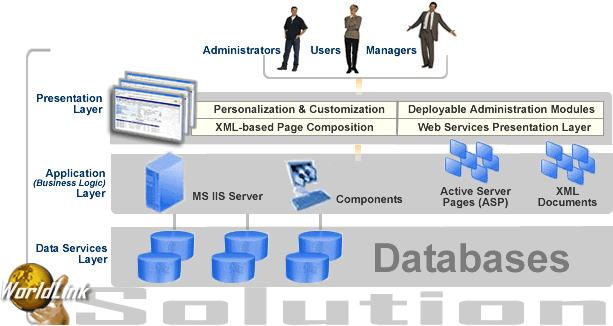
WorldLink is a multi-tiered architecture, meaning each major piece of application functionality is isolated from the other pieces. The processing rules and business logic, data, the user screens (also called the GUI), and the rating engine(s) are all separate from each other.
WorldLink does require you to do up-front analysis and design in order for you to create the optimal customization for your needs. The following diagram of WorldLink's architecture can help give you an understanding of how WorldLink is structured.
Presentation Layer - Consists of the WorldLink GUI or user interface that comprises the entire user experience. As a “thin client,” the WorldLink application is not stored on the workstation but, instead, on the main WorldLink Server. Not only does the GUI layer in the system architecture provide a graphical interface so that users can interact with the application, input data, and view the results of shipping requests, it also manages the manipulation and formatting of data once the client receives it. Note: You do have the option to substitute your own user interface for the WorldLink GUI and run WorldLink in the background of your business application.
Application Layer (business logic layers) - Resides in the middle tiers of the WorldLink application and captures the rules that govern application processing and connect your users to the data. The functions that the rules govern closely mimic everyday business tasks, and can be a single task or a series of tasks. The business logic layers include WorldLink’s web service access layers (XML and ASP pages) and its application logic layer.
Data Services Layer - Contains the data services for WorldLink provided by a structured database (SQL™ or Oracle) or unstructured database (Microsoft® Exchange or Transaction Server), which manages and provides access to the application data. WorldLink can enlist the services of one or more data stores, such as your company’s accounting or order processing data, as well as your carrier compliance rating engine.